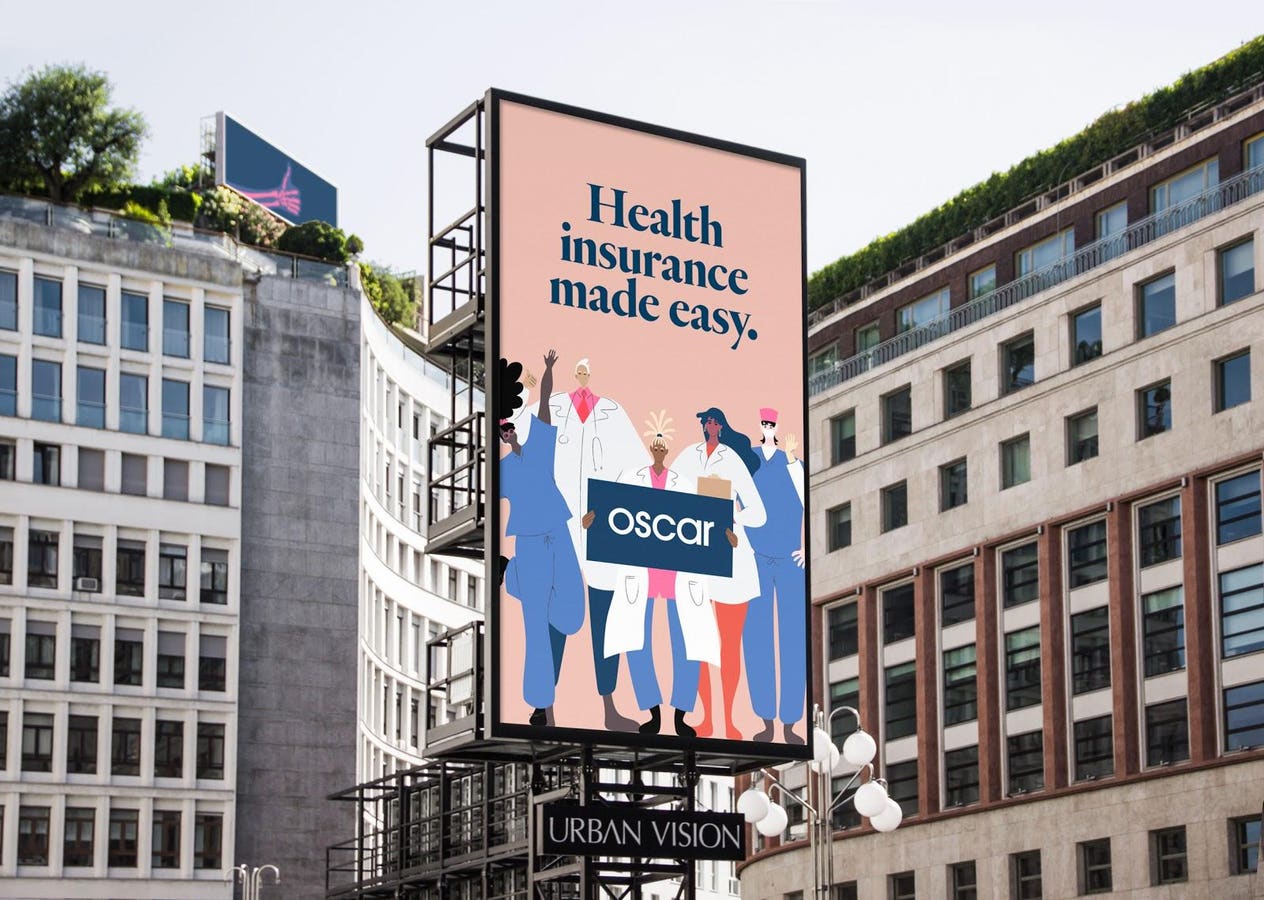
Oscar Health, a prominent player in the Affordable Care Act (ACA) marketplace, finds itself in a peculiar position: celebrating significant membership growth while simultaneously grappling with substantial financial losses. Reporting a staggering $352 million net loss in the fourth quarter of 2025 and a full-year loss of $443 million, the company's financial health raises questions, even as its membership surged to 3.4 million. This dual reality underscores the complex challenges facing health insurers today, as they navigate an environment of escalating healthcare costs and evolving policy landscapes. For Oscar Health, the imperative is clear: strategic Oscar Health's Path to Profit: Targeting 2026 After $443M Loss and diligent oscar loss preparation are paramount to securing its future.
The Paradox of Growth: More Members, Deeper Losses
Oscar Health’s journey has been marked by rapid expansion, especially within the individual health insurance market under the ACA. The company ended 2025 with an impressive 3.4 million members, a significant leap from the 2 million reported just a year prior. This growth has boosted its market share within its operational footprint to 30%, up from 17% in 2025, a testament to what executives describe as "above-market growth and solid retention." This surge in enrollment has been buoyed by the continuation of enhanced federal subsidies, initially expanded by the Biden administration, which make health insurance premiums more affordable for millions of Americans.
However, this membership boom has not translated into financial stability. The company's net loss more than doubled in the fourth quarter of 2025 to $352.6 million, compared to a $153.5 million loss in the same period of 2024. For the entire year, Oscar swung from a $25.4 million profit in 2024 to a $443 million net loss in 2025. While total revenue did increase to $2.8 billion in Q4 and jumped 28% to $11.7 billion for the full year, these gains were overshadowed by the rising costs of medical care.
Understanding Oscar's Medical Loss Ratio (MLR)
At the heart of Oscar's financial challenges lies its Medical Loss Ratio (MLR). The MLR represents the percentage of premium revenue that an insurer pays out for medical claims. Historically, health insurers aim for an MLR in the mid-80s or lower to ensure profitability and cover administrative costs. Oscar Health, however, reported an MLR of 95.4% in the fourth quarter of 2025, a significant jump from 88.1% in Q4 2024. For the full year 2025, the MLR stood at 87.4%, up from 81.7% in 2024.
This elevated MLR is a critical indicator of the financial pressures Oscar faces. The company attributed the increase primarily to "higher average market morbidity," which led to an increase in the net risk adjustment transfer accrual, as well as higher utilization that was not fully offset by risk adjustment. In simpler terms, Oscar's members, on average, were sicker and utilized more healthcare services than anticipated, and the mechanisms designed to compensate insurers for sicker populations (risk adjustment) didn't fully cover these costs. To dive deeper into the specific factors driving these costs, explore Oscar Health's $352M Loss: Unpacking Rising Healthcare Costs.
Navigating the High-Cost Healthcare Landscape: Industry-Wide Challenges
Oscar Health's struggles are not isolated; they mirror broader industry trends. Health insurers across the board have been battling an ongoing period of rising healthcare costs. Several factors contribute to this challenging environment:
- Post-Pandemic Pent-Up Demand: Following the COVID-19 pandemic, many patients, particularly older adults, delayed elective procedures, preventative screenings, and even necessary treatments. This created a "pent-up demand" that, once unleashed, led to a surge in utilization and higher medical claims as patients sought care they had deferred.
- Inflationary Pressures: The broader economic environment, marked by inflation, impacts healthcare costs directly. Everything from medical supplies and prescription drugs to hospital staffing and wages has seen price increases, driving up the cost of care.
- Labor Shortages: Persistent shortages of healthcare professionals, including nurses, doctors, and technicians, have led to increased labor costs as providers compete for talent, further contributing to the expense of delivering care.
- Advancements in Medical Technology and Pharmaceuticals: While beneficial for patient outcomes, new diagnostic tools, innovative treatments, and advanced pharmaceuticals often come with hefty price tags, increasing the overall cost burden on insurers.
The complexity of the individual market under the ACA also plays a role. While subsidies have expanded access, they can also attract a population with higher healthcare needs, making effective risk management and accurate pricing crucial for insurers to remain solvent.
Oscar's Strategic Turnaround: A Blueprint for Profitability
Despite the current financial headwinds, Oscar Health's top executive, Mark Bertolini, expressed confidence in the company's future, promising "better days ahead." Bertolini stated, "2025 was a reset year for the individual market, and we took decisive actions to return to profitability in 2026." This forward-looking stance outlines a clear strategy for oscar loss preparation, focusing on targeted profitable growth.
Key elements of Oscar's strategy include:
- Aggressive MLR Targets: For its 2026 outlook, Oscar is projecting its medical loss ratio to be between 82.4% and 83.4%. Achieving this target would represent a significant improvement and bring its MLR closer to historical industry norms for profitability.
- Market Optimization: Oscar plans to focus on profitable growth in new markets where rivals have exited, indicating a strategic approach to market selection. This involves analyzing market dynamics, competitive landscapes, and member risk profiles to identify areas with the highest potential for sustainable, profitable enrollment. Conversely, it implies a willingness to exit markets that consistently prove unprofitable.
- Enhanced Care Management and Cost Control: To reduce its MLR, Oscar will likely intensify efforts in proactive care management. This includes leveraging its technology platform to identify high-risk members, encourage preventative care, and manage chronic conditions more effectively. Stronger negotiations with providers and a focus on value-based care models can also contribute to cost containment.
- Improved Risk Adjustment Strategies: Given the impact of "net risk adjustment transfer accrual," Oscar will need to refine its processes for accurately documenting and coding member conditions. This ensures that the company receives appropriate risk adjustment payments, which are vital for balancing the costs of caring for sicker populations.
- Technology and Data Analytics: As a tech-driven insurer, Oscar's proprietary platform is central to its strategy. Utilizing advanced data analytics can help predict utilization patterns, identify cost drivers, and personalize member engagement to steer individuals towards appropriate and cost-effective care.
These actions collectively form Oscar's blueprint for navigating away from current losses towards sustained profitability, demonstrating a robust approach to oscar loss preparation.
Practical Implications for Consumers and the Industry
Oscar Health's situation offers valuable insights for both consumers and the broader health insurance industry:
For Consumers:
- Evaluate Your Plan Annually: Oscar's market adjustments mean that plan offerings, networks, and even availability might change. It's crucial for consumers to review their health insurance options during open enrollment periods, comparing plans not just on premium but also on deductibles, out-of-pocket maximums, and provider networks.
- Understand MLR (Medical Loss Ratio): While not always transparent to the average consumer, a stable or improving MLR for an insurer suggests financial health and better long-term stability. If an insurer consistently reports very high MLRs, it could signal potential future premium increases or market exits.
- Leverage Subsidies: The continued availability of enhanced federal subsidies is a significant factor in making ACA plans affordable. Consumers should always check their eligibility for these tax credits, as they can substantially reduce monthly premiums.
For the Industry:
- Balance Growth with Profitability: Oscar's experience highlights the challenge of achieving scale while maintaining financial discipline. Growth is essential, but it must be sustainable and profitable.
- Adapt to Evolving Costs: The healthcare industry must continue to innovate in cost containment and care delivery. This includes embracing value-based care, telehealth, and preventative health initiatives to manage the rising tide of medical expenses.
- Advocate for Policy Stability: The impact of federal subsidies on enrollment underscores the importance of stable and supportive policy frameworks for the individual market. Unpredictable changes can disrupt market dynamics and insurer strategies.
Conclusion
Oscar Health's journey through rapid membership expansion alongside significant financial losses presents a compelling narrative of ambition meeting industry realities. The company's impressive growth to 3.4 million members solidifies its position in the individual ACA market, yet the substantial losses in 2025, driven by an elevated Medical Loss Ratio and surging healthcare utilization, underscore the formidable challenges ahead. With its clear strategic plan for 2026, targeting a much-improved MLR and focusing on profitable market segments, Oscar is actively engaged in comprehensive oscar loss preparation. Its ability to execute this turnaround will not only determine its own future but will also offer critical lessons for the broader health insurance industry grappling with the complex interplay of consumer demand, rising costs, and policy uncertainty.